It’s said that men are attracted to women similar to their mothers, but tiny, adorable Rinko Yamato bears little resemblance to Takeo’s burly, no-nonsense mother Yuriko. Mama Gouda is the source of her son’s exceptional physique, compassionate nature, and drive to protect the vulnerable. While Yamato’s cuteness and femininity make her relatable, Yuriko sends the message that those qualities aren’t mandatory to be loved and worthwhile, and that there’s more than one way to be a woman.
Early in the series, Yuriko tells her son, “You’re going to be a big brother soon.” Takeo, while happy, grows concerned, both for her age and the bags of groceries she’s carrying. Irritated, she tells him that she carried plenty of heavy things when she was pregnant with him, and that she’s “chronologically 40, but the doctor says [she’s] physically 22.” Takeo’s insistence on sheltering his mother, who continues to carry heavy grocery loads and do all the same physically taxing housework, is a regular source of annoyance to Yuriko. Pregnant women are often dehumanized – we treat them as if they’re made of glass, and the baby growing inside them is more important than they are themselves. Every body responds to pregnancy differently, and some women are just as capable of hard work as they are at any other time in their life. Tough-as-nails Yuriko has already survived one pregnancy without anyone sheltering her, and she’s just as fit as she was back then. She takes pride in her work taking care of the home. No wonder she gets cranky when her son acts like he knows better, even if it is coming from a good place.
It’s no wonder Takeo managed to forge such a strong, equal relationship with Yamato. He has a great model for it: his own mother and father. Though it does fall along traditional gender lines, with his mother staying at home to care for the apartment and his father working, there are signs that the two share a more equal relationship than most. Whenever his father, Yutaka, gets home, the first thing he does is go clean the bathtub. When baby Maki is born, he is also shown playing with her. These are small things, but with the division of labor as extreme as it tends to be in Japan, it can be difficult for fathers to be even that involved. Husbands being more involved in caring for the home is linked to greater satisfaction in marriages, and Yutaka and Yuriko have clearly created a healthy and loving home environment for Takeo. Yutaka clearly appreciates his wife for who she is, with her physical and emotional strength. He tells Takeo the story of how he fell in love with her: when they were young, they worked in the same office. At a work outing, Yuriko saved a co-worker from a falling pot of hot water, getting hit by the scalding water in her place. When Yutaka went to check on her, she said, “When I see cute girls like her, I just want to protect them, you know?” Yutaka continues, “For the first time in my life, I thought I’d want to ride out the turbulent waves of life with someone like her!” He proposed by saying he wanted to protect her, but “[she’s] so strong, I’ve never gotten around to protecting her.”
Yuriko’s protective instincts and her emotional strength are a major part of her self-identity. While Takeo is out buying those groceries he refused to let her carry, she tells Yamato, “Men are such wimps, women have to be the strong ones.” While I’m not a fan of gendered statements like that, truth still rings through the line. Yamato is confused, saying that Takeo is plenty strong, but Yuriko tells an anecdote from when he was five and ran into the street. He was almost hit by a car and she had to dive to protect him, scraping her arm in the process. Takeo panicked and begged her, “Don’t die, Mom!” Strength comes in many forms, and the form she refers to here – protectiveness, self-sacrifice, and keeping a brave face in a crisis – are commonly associated with motherhood. Yuriko displays this strength many times in the episode, but it comes at a price. When a fellow pregnant woman she met at the clinic slips on some steps, Yuriko catches her, but her own belly ends up absorbing the impact. She ends up going to the hospital and entering labor early, even giving up her wheelchair to the delivery room so the first-time mother-to-be sharing her room could have it. Along every step of the way she puts on a brave face for her son and his friends, shooting them a thumbs up and a wink even as she’s doubled over in pain. She even tells them flippantly, “I’m going to push one out now!” Hiding her pain and fear is the only way she can take care of Takeo in her current position; otherwise, he’d lose his mind with worry. She only drops her brave face in front of her husband, telling him sadly, “I wonder if our baby’s mad at me…” Yutaka reassures her, “You just wanted to protect them both.” Even the strongest feel vulnerable sometimes, and seeing the emotional partnership between the couple is touching.
When OreMono came out, some wondered if a series where Takeo were the girl would ever be viable. Well, she may not have a whole series focused on her, but that is Yuriko Gouda’s story. A woman who, though not traditionally beautiful, is admirable and beloved because of the power of her compassion and who thinks nothing of sacrificing herself to protect others. The Gouda family is beautiful because it shows that not just one kind of woman is worthy of love, and that you don’t need to change who you are to fit artificial ideas of how you should act because of your gender. When I become a mother myself, I hope I can be as strong – physically and emotionally – as Yuriko.
Summary: Oversized, brash, but good-hearted Takeo Gouda has a problem: every girl he has ever liked crushes on his best friend Sunakawa, who inevitably rejects them. When Suna seems to take a shine to Rinko Yamato, an adorable girl Takeo rescued from a pervert on the train, Takeo decides to shove aside his own feelings and hook the two up. But it’s not Suna that Yamato is interested in!
Anime/Manga
Potential Triggers: Nothing really to speak of! What a nice change of pace.
Ore Monogatari, or MY Love STORY!! in English, is a delightful little confection and a welcome addition to the shoujo romance canon.Takeo, Suna, and Yamato all have great chemistry,, and the love they all have for each other shines through in the writing. Their personalities – brash Takeo, perceptive Suna, and tougher-than-she-looks Yamato – cut through the genre’s tired cliches. Takeo is worried about Yamato’s feelings but doesn’t know how to talk to her about it? Practical Suna is there with an accurate read on the situation to counsel his sweet-but-dense best friend. Like magic, awkward situations and misunderstandings are resolved, allowing the characters to grow and become closer instead of being torn apart by petty conflicts.
A heterosexual romance with a male point-of-view character is unusual for shoujo, but it ends up being a major source of OreMono’s strength. It creates a situation where both of the main couple must be dynamic and interesting, since readers must be able to sympathize with both of them. Larger-than-life Takeo is as sweet-natured as they come, despite his appearance, and a deeply loving boyfriend. He’s also quite dense and struggles with self-doubt. Yamato is a girly girl through and through. She has a squeaky voice, and loves cute things, baking, and texting. She also loves Takeo, but also gets frustrated when he treats her like she’s made of glass.The show does has a problem early on where it sets Yamato’s attraction to Takeo up in opposition to every other girl he encounters. Whenever he helps one, they’re terrified of him but thank handsome Suna instead. Even Yamato’s friends judge him by his unconventional appearance. As a result, women other than Yamato come across as superficial and shallow at first, but the situation improves as the show introduces more fully-realized women. Together, they form one of the kindest, sweetest pairs to be found in the romance genre and even their most mundane conversations are enjoyable.
As the POV character, Takeo must be relatable and likable enough that we feel comfortable in his head, but as the man in the relationship, he also must be interesting enough that we can imagine dating him. Yamato, on the other hand, is an othering of the familiar as Takeo gets to know his girlfriend. Things that are a matter of course for many Japanese girls, such as cute animated text messages, are new and exciting for Takeo, who doesn’t really have any female friends. Her speech patterns, hobbies, and career ambitions – to be a kindergarten teacher or midwife – are all extremely feminine. Yet, since readers will be far more familiar with these things than Takeo, she must have personality beyond her mystifying girliness, but be sweet enough to be a good match for him.
The importance of communication between the two lovebirds comes up early and often, and one of their first miscommunications is about the all-important subject of sex, specifically female purity. Takeo is surprisingly conservative, not out of any misguided beliefs on how things should be but how he believes things are. When Yamato acts shy around him, especially when she sees him in his undershirt, he interprets that as her being pure and reassures her that he won’t touch her until after they graduate. When she starts acting distant, Takeo is puzzled. Shouldn’t she be more at ease? Both Yamato and Takeo have grown up in a culture that values female sexual purity and treats female sexual desire as an aberration, so it’s unsurprising that when Yamato hears that, her response is of guilt and shame. After all, she admits to Ai Sunakawa, Suna’s older sister, her attraction to Takeo is just as much physical as it is mental and emotional. She “has impure thoughts” and wants to do things like “holding hands”. (How brazen!) When she confesses this to Takeo, she actually has tears in her eyes.
Acknowledging Yamato’s physical attraction to Takeo is an awesome move on the part of the series. Not only does it respect her as a sexual being, despite her extreme cuteness and seeming innocence, but it also shows that it’s okay to have unconventional taste. Often when female characters are paired with male characters who aren’t conventionally attractive, it’s despite his looks. This sets the expectation that women should be less concerned with physical and thus sexual attraction, reinforcing the implicit belief that women who do care are shallow or sluts. With an everygirl like Yamato, it’s a powerful message.
Of course, learning the actual logistics of holding hands presents its own challenges.
Yamato and Takeo communicating about their problems sets a strong precedent for their relationship that carries through the entire series (albeit occasionally facilitated by long-suffering Suna). The two feel comfortable and safe together; when they are stranded in the woods for a night, neither is afraid that Takeo won’t be able to “control himself”, a common trope in romance manga. The final two episodes of the series introduce Kouki Ichinose, a twenty-one year old pastry chef and the opposite of Takeo. When Yamato, working at the same patisserie, compliments one of his cakes, he falls for her hard – so hard, in fact, that he asks Takeo to break up with her. The way he sees it, he’s better for her in every way. They have common interests, unlike the culinarily-challenged Takeo, plus he’s traditionally attractive, at the top of his field, and older. He even has a car, a major symbol of adulthood and status in teen-oriented manga. When Takeo refuses, Ichinose comes up with a new plan: if he wins an upcoming national pastry contest, he’ll confess his feelings. He never even bothers to entertain the idea that she’ll reject him. Takeo is jealous and protective in part because he agrees that Ichinose is, on paper, a better match for her. After struggling with those feelings, he decides that if she really does end up wanting to leave him for Ichinose, he’ll be the bigger man figuratively as well as literally and support her. Yamato’s happiness is priority one for him and he doesn’t want to keep her trapped in a relationship if there are better prospects. Still, he waits for Yamato to make her own decision rather than breaking up with her like Ichinose requested, because it’s her choice to make. His approach to the situation is far more emotionally intelligent than Ichinose’s, even if he is plagued by doubt. Ichinose, on the other hand, is presumptuous and self-absorbed. He starts using her given name the same day he meets her, a step Takeo hasn’t even managed to take after almost a year of dating. When she talks, he usually makes wild assumptions about what she really means, projecting his own feelings onto her. He puts her on a pedestal, going so far as to declare her his ‘muse’.
That’s not what she said, bro.
His entitled behavior is common in men who carry some degree of prestige, under the guise of “confidence”. In addition, he is older than Yamato and outranks her at work, creating a power imbalance that would make any relationship inappropriate. His lack of interest in actually listening to her makes him oblivious to the fact that she is smitten with Takeo, something that is obvious to everyone else she meets. When he asks her to be his “one and only muse”, she refuses, telling him she really loves Takeo and she’s “not a muse or anything. Just an ordinary part-timer.” She dislikes being put on a pedestal, preferring the boy who sees her as a person over the man who doesn’t.
As Dee of Josei Next Door said in her episode summaries on Anime Evo, in some ways Ore Monogatari is like a how-to guide for young couples. Takeo and Yamato get through any pitfalls in their relationship by communicating honestly and treating each other with respect. It’s a refreshingly healthy dynamic, and written as just as interesting as the drama-laden tension of most teen romance. Few people may be as sweet-natured as Takeo and Yamato, but their approach to love is one that everyone should take note of: always assume the best, treat your partner with respect and, failing all else, get by with a little help from your friends.
The Lupin III franchise stretches back almost 50 years to the original manga by Monkey Punch. It has evolved over time, generally becoming milder and more family-friendly, but the rogues’ gallery of protagonists has remained largely the same. Everything revolves around the titular thief, Arsene Lupin III, who is aided by his partners in crime Jigen and Goemon, and pursued by Detective Zenigata of Interpol. The wildcard has always been Fujiko Mine, both in characterization and how the creative team uses her. At her best, she is wily and clever, though self-serving; at her worst, she is a damsel or a vehicle for fanservice, with her clothes getting torn off to reveal her curvaceous body. While Lupin is more interested in the pursuit than the loot, Fujiko is most interested getting what she wants and willing to do what it takes to make that happen, including betraying her accomplices. While Jigen and Goemon are trustworthy compatriots for Lupin, Fujiko is unpredictable and treacherous. In the hands of male-led creative teams, her treachery is often written as a natural consequence of her womanhood, thus positioning Fujiko outside of the group and casting her as the other, even more so than Zenigata, who is Lupin’s enemy but nonetheless stolid and reliable. The Woman Called Fujiko Mine turns this on its head by making her the center of the origin story, uniting all the characters around her rather than around Lupin.
The first time we meet Fujiko, we literally see her through Lupin’s eyes – talk about the male gaze! He watches her through binoculars as she is married to a cult leader, lustily kissing the old man in a backless wedding gown cut down to the cleavage of her butt. The lust was an act, and it’s not long before she and Lupin are thrown into a dungeon together. They talk, revealing that they know who the other is: she describes him as “a master thief… who always gets what he wants”, and as she runs his hand up his thigh, he calls her “a lady looter unafraid to use her feminine wiles, with a voracious appetite for treasure.” She draws back in surprise when he identifies her, and her girlish act falls away.
While he is showy and ostentatious and from a long line of thieves, she is a relative upstart, and being recognizable doesn’t suit her style. She slips under the radar to do her job. “Got anything in your bag of tricks besides seduction? Something to make you a worthy opponent?” he asks her. She does, but swiftly proves that seduction is a weapon that should not be underestimated when she uses it to draw in a decoy to be executed in her place.
I think she’s into me…No way she’s just using me!
Lupin is shocked by her willingness to kill, even if it is “only when necessary.” The thieves’ value systems clash – Lupin is a brazen trickster who deliberately puts himself in situations where he has to wriggle his way out using sleight. Fujiko is a classic femme fatale who uses her femininity as a diversion and as a weapon, but has a ruthlessness that Lupin lacks. The two of them spend the rest of the episode competing over the haul as they outsmart each other and the cult leaders, allowing her to display her agility, intelligence, and marksmanship in addition to her feminine wiles. Although Lupin eventually gains the upper hand, surfing through the air on a huge reclining Buddha made of the hallucinogenic drug Fraulein Eule, the two clearly enjoy the competition, smiling and bantering even as they exchange fire: “I’m no fine woman… I’m a mighty fine woman!” She mystifies and fascinates him – “That woman is off her rocker. She infiltrated a dangerous place like this all alone just for some drugs, she’s so far off the rails she’s even willing to kill, she’s so masochistic she doesn’t care how far she falls… I kind of like that.” Even if he doesn’t really understand her or her methods, she has proven herself as a formidable rival who will “kill off his boredom.” As Fujiko rides away on her motorcycle, she finds a note on her thigh in lipstick: “Fujiko Mine will be mine. –Lupin the Third” Lupin lets her know that he intends to continue his pursuit, that she fascinates him enough to rank among the treasures he takes.
Fujiko’s relationships with Lupin’s other allies, Jigen and Goemon, are somewhat more complicated. Jigen’s dislike of Fujiko and distrust of women in general is well-documented throughout the franchise’s history, and The Woman Called Fujiko Mine is no exception. Not that anyone could really blame him – she drugged him, stole his gun, and participated in a plot to force him to murder his ex-lover and later said he “wasn’t a Magnum down there” as he fell into a death trap she created. Not exactly a foundation of trust. In contrast, Goemon is trusting to a fault, buying wholeheartedly into Fujiko’s persona as the governess Maria and calling her his “real girlfriend”, even after she reveals the whole thing was just a ploy to obtain the royal family’s priceless belt. When he finds her wandering alone and disoriented later in the series, he takes her in and cares for her, even as she literally throws his hospitality back in his face.
Both men have inauthentic relationships with her due to their preconceived notions about women. Although Fujiko gives him plenty of reason to dislike her later, Jigen is dismissive of her from the start, telling his boss, “Babysitting women ain’t part of the bodyguard’s job description”. When she tries to seduce him, he bluntly says, “I just hate women, I’m afraid,” and holds her own knife up to her throat. His read of Fujiko’s duplicitousness here may be correct, but it doesn’t change that he makes quite a few assumptions and for the rest of the series, he is baffled as to why Lupin holds her in such high regard. Goemon’s assumptions about women take the form of a classic virgin/whore complex. Even after she reveals herself as a thief, he thinks of her as the virtuous governess Maria. Fujiko takes advantage of his naivete, kissing him naked on the rooftop and calling him “Boyfriend-san” (though this is doubtless partly because continuity demands the two be dating by the start of Green Jacket). Fujiko’s behavior during her breakdown surprises him – when he offers her food, she throws it at him and shouts, “What’s your deal? Do you think you’re my guardian?! What are you after?! If you want to sleep with me, quit beating around the bush!” Downstairs, he cleans his sword and thinks, “She’s a shameless minx without a doubt. Once, I thought of Fujiko Mine as a holy woman.” He doesn’t need to say the rest – if this unbalanced, lingerie-clad woman screaming at him about sex is not holy, then she is fallen. He is incapable of seeing her for what she is: a complex human going through a trying time.
Because both men view Fujiko according to their own beliefs and expectations of women, they have limited roles in the finale. Jigen is eliminated early as he falls prey to the hallucinogenic Fraulein Eule and becomes convinced that Lupin has the head of an owl, but not before expressing puzzlement at what makes “this broad” worth all the trouble to Lupin. Goemon slips into the park only to be made up as a Fujiko lookalike by animatronic owls. With the help of his trusty Zantetsuken he makes his escape in time to destroy the circuit breaker and allow Fujiko to escape, all while in drag, but the drug that permeates the air catches up to him and he begins to hallucinate owl heads as well. Jigen and Goemon meet for the first time in this series, locked in a pointless battle on a roller coaster and convinced the other is an owl, effectively written out of the finale. Neither villains nor heroes, they have little effect on the final and product. They are inert until the sun rises, the tale of Fujiko Mine ends, and the effects of the drug wears off.
When The Woman Called Fujiko Mine came out, longtime franchise fans were shocked by how Zenigata was written. Gone was the lovable, good-hearted, slightly inept detective. The new Koichi Zenigata is corrupt and casually misogynist, aided by a young, eager, virulently misogynistic lieutenant named Oscar. Zenigata abuses his power as a cop to take advantage of Fujiko. His first episode opens with the two having sex, apparently in exchange for her freedom. Afterward, he motions as if to put out his cigarette on her breast, though she knocks it aside and tells him to cut it out.
He revels in his power over her and his ability to extort her for control over her body. He also gives her a mission: to bait Lupin from his next target, the jewel-encrusted mask of the opera singer Aiyan. This assignment doesn’t come from any faith in her abilities, but rather out of scorn. Once Fujiko is out of earshot, he says, “There ain’t a case in history of a woman not turning traitor,” and calls her “vermin”. Fujiko is self-serving, yes, but it has nothing to do with her womanhood. It can’t even really be called betrayal, since he is hardly an ally to her. While Zenigata is condescending, Oscar is openly hateful – he calls Fujiko a “pig woman” and, when she tells him to stop calling her that, “spittoon”. “You’re just a receptacle for vile male lust! Worthless trash!” His hatred stems from jealousy – he’s in love with Zenigata and resents Fujiko for her body and how Zenigata desires it. As the series progresses, Oscar’s verbal abuse turns physical. While in disguise as a student at a girls’ school, he seduces Fujiko, only to reveal himself and tie her up at the last second. As he pours wine over her naked body, he recites the love letter he wrote for Zenigata and finally licks the last drops of wine off her lips.
The relationships between the three would be disturbing with any character other than her due to the coercive sexual element, but Fujiko in the first half of the series is a power fantasy through and through. She intelligently manipulates the situations to her advantage, preventing the men from ever having the upper hand for long, such as using recordings of her having sex with Zenigata to convince Oscar she is torturing him in order to get information she needs. When Fujiko is incapacitated near the end of the series after her encounter with the kaleidoscope woman, Oscar begins to imitate her in order to gain Zenigata’s attention. However, he gets it all wrong: he sends warning notes and steals gaudy items, and even kills a fellow officer in his desperation. He fundamentally misunderstands Fujiko’s modus operandi, stealing stereotypically feminine items such as crowns and even a wedding dress, but it takes Zenigata too long to realize he’s dealing with an impostor. At first he says, “Everything she’s been stealing has been gaudy and tasteless. That woman doesn’t know her place.”
Oscar wants to be Fujiko because of what she is to Zenigata, but Zenigata is blind to who she is because of what she is. She’s a lot of things: a treacherous woman, a female body to objectify, a stepping stone to reach Lupin (a more worthy, male opponent), but he has never considered her an opponent worth knowing in her own right. Because of his blinders, Oscar’s charade culminates in his apparent death, and Fujiko becomes one more thing to Zenigata: a scapegoat. He’s lost everything, he’s been taken off the Lupin case, Oscar’s body is missing, and when Fujiko offers to help him avenge his protege’s death, he replies, “Sending you to the hangman will avenge him.” When the two go to Glaucus Pharmaceuticals to investigate a string of kidnappings connected to owls and find themselves on an eerie ride reminiscent of “It’s a Small World” illustrating Fujiko’s supposed “torturous past”. At the end is an eerie room full of topless women made up to look like Fujiko, and among them is Oscar, who attacks Fujiko until Zenigata pulls him off of her and recognizes his scar.
Zenigata begs Oscar to remember who he was, the boy who leapt from a bridge just to protect a single franc, but it’s useless. That was never really who Oscar was, anyway. His past is unclear – blogger Vrai Kaisertheorizes that he was one of Aisha’s “what-if” victims – but he stated earlier that wasn’t why he leapt. His misogyny and his desire to become Fujiko combine into frenzy. He drives a tanker truck into the building, screaming, “Bad girls must burn!” and immolating the Fujiko clonesHe watches and listen to the girls scream, tears running down his face, as the building burns and Zenigata walks away, only to turn around and run back. Zenigata abandons his role in Fujiko’s story to see Oscar’s through to the end. That story runs parallel to Fujiko’s as they descend into madness and loss of identity, but Fujiko is able to regain herself, whereas Oscar only loses himself further. In the end, he parallels Aisha: he tries to inhabit another body because of his dissatisfaction with his own. When that fails, he can only try to destroy what remains. Their final words are even the same: “Bad girls must be punished.”
In some ways, The Woman Called Fujiko Mine is the story of how Lupin fell in love with Fujiko. At first, he pursued her at the request of Aisha, but he develops a real respect for her in their game of cat and mouse. The show deftly avoids developing an uncomfortable power dynamic by showing a mutual understanding of the implicit rules of the game they play. Despite the declaration he left on her thigh after their first meeting, Fujiko feels safe and comfortable around Lupin. When she is swimming in her pool nude, she hears an intruder, and reaches for her gun. When he reveals himself as Lupin, she relaxes and lets go of the gun. After Oscar assaults her, leaving her naked, restrained, and defenseless, Lupin comes and releases her. Even when Fujiko is at her most vulnerable, he treats her with respect.
He worships her – when Jigen is confused about why he’s so devoted, Lupin tells him, “Are you blind? She’s national treasure class.” However, it wouldn’t be fair to say he idealizes her – it’s more that Fujiko is his ideal. He supports her every step of the story, and it’s because of his willingness to investigate on her behalf that they were able to solve the mystery at the center of the story. He investigates Glaucus Pharmaceuticals, subjecting himself to a hefty dose of Fraulein Eule, the painful and frightening hallucinogen, to find answers. His attention to detail allows him to see through misdirections that confound other characters. When Oscar is posing as Fujiko, Lupin is the first to realize, “This M.O. is too flashy for Fujiko,” while Zenigata just thinks of her as another worthless thief. He figures out that the memories Fujiko describes can’t be real because she mentions how they burned her feet, but the soles of her feet are pristine. Lupin, instead of operating on preconceived notions and expectations of women, values Fujiko for herself. He defies Aisha and her mother when they demand he kill her, even when they threaten his life. Even as she nearly succumbs to Almeida’s conditioning, he tells her, “The marionette strings have been cut. A woman who’s just some passive doll is no fun. Come on, show me your power.” And she does, because he has been there to support her. He sees her as a person, unlike any other character, and so he gets to be by her side to the end.
Who is the woman called Fujiko Mine? She’s a skilled thief and a con woman who loves money and jewelry to adorn herself in. She’s smart, savvy, and manipulative. She rarely loses control of the situation, and when she does, she defends herself with a savage ruthlessness shocking even to seasoned professionals. She is sexy and uses it as a weapon as well as for its own sake, since men tend not to take women who look like her seriously. She uses her marginalized position to slip past the radar and take what she wants, unnoticed. In creating The Woman Called Fujiko Mine, Sayo Yamamoto took a character who has most commonly been a sexual fantasy, a dream woman for men, and turned her into a female power fantasy: a woman who knows what she wants and takes it, a woman who exploits through sex instead of being exploited, and a woman who is, above all else, free. That is the woman called Fujiko Mine.
“Women never show themselves in their natural form. That is to say, they are not so vain as men, who conceive themselves to be always amiable enough just as nature produced them.”
–Goethe
In the sixth episode of The Woman Called Fujiko Mine, Fujiko reads this passage to a class of adoring high school girls while in disguise as a teacher. This quote resounds throughout the show – Fujiko is a chameleon, disguising herself to slip past men’s defenses and take their wealth. In an instant, she can turn from a traditional Japanese beauty serving tea, to a purring sex kitten. Because of that purposeful sexiness, men often overlook or underestimate her, letting down their guard so that she can get to what she wants. Similarly, female director Sayo Yamamoto and writer Mari Okada deliberately draw upon narratives of tragic, damaged women who are wicked because of their trauma. Much like how Fujiko acts according to men’s expectations to lower their defenses, Yamamoto uses the narrative conventions to build to a stunning twist that comments on the importance of agency and of women controlling their own narratives.
It seems, these days, every female villain needs a tragic backstory. Women are rarely allowed to be simply wicked, but instead victims of some great injustice or trauma. She’s not flawed, she’s damaged – spurned by a lover, or raped, or injured at the hands of men in some way. The Woman Called Fujiko Mine sets up this expectation from the outset, as baroque text flashes across the screen proclaiming, “Fujiko Mine, stripped of all her love. Your sweet scent shall draw three rogues to you, and so this tale of hijinks shall unfold. However, you must never forget. The overcast skies you see are painted from my palette. Signed, LYA.”
The “LYA” who wrote the letter is Count Luis Yu Almeida – eventually revealed to be Aisha Kaiser, the mastermind behind the show’s central mystery. Small hints are dropped to further lead the viewer to believe Fujiko steals because of how damaged she is. In the first episode, Lupin comments, “That woman is off her rocker. She infiltrated a dangerous place like this all alone just for some drugs. She’s so far off the rails she’s even willing to kill, she’s so masochistic she doesn’t care how far she falls… I kinda like that.” In the next episode, after Fujiko unwittingly leads the suicidal Cicciolina to end the life she had so little control over, she says of the woman, “Something about her reminded me of myself. That’s why I went along with her little thief act.” Moments like this, and other similar ones, set the foundation for Fujiko as a tragic heroine, a poor amnesiac who steals to fill some hole in herself. She is selfish and greedy, uses sex for her personal gain, and prefers vice to virtue. Of course, so does our hero Lupin, but his motives are never questioned. As a man, he is allowed to simply be who he is, whereas Fujiko, as a woman, is compared to notions of how a woman should be.
Although the other major recurring characters are all men, Fujiko encounters several other women throughout the series, whose past tragedies set up the expectation that, like them, Fujiko is deeply damaged and steals to fill some void. In episode two, “.357 Magnum”, Fujiko wagers herself at a casino and loses. Cicciolina, the owner, offers her freedom in exchange for the gun belonging to Daisuke Jigen.
Things aren’t as straightforward as it seems, as it turns out that Cicciolina and Jigen have a sordid past: A bodyguard who fell in love with his boss’s suicidal wife, ending with the bodyguard shooting the woman’s husband. The plan, engineered by Cicciolina and carried out by Fujiko, ends with Jigen shooting his former lover. As she dies in Jigen’s arms, she tells him, “I thought about killing you. I thought about just dying. But if I was going to die… I wanted you to be the one to kill me…”
Later, Fujiko tells Jigen, “Something about her reminded me of myself. That’s why I went along with her little thief act.” Cicciolina was suicidal, suffered from ennui, and had every part of her life controlled by the men around her – what part of her could remind Fujiko of herself? When a woman is so thoroughly troubled, anyone who she reminds of themselves must be troubled as well. Fujiko has little memory of her own past, so it remains conveniently vague exactly how she and Cicciolina are similar while still setting up viewer expectations that Fujiko has some dark past unconsciously driving her.
In the ninth episode of the series, “Love Wreathed in Steam”, Lupin and Jigen steal a tattooed girl from a sideshow act turned auction. Fujiko, destabilized from an encounter with a fortune-teller who tried to tell her the date of her death, ruthlessly pursues the three with no regard for her own safety. The Kaleidoscope Girl, tattooed from birth and paraded around the world with a made-up origin story by a male artist, is nonverbal and feral: when Jigen looks her over, she cries out and scratches his face. She has been raised as an object for male desire and gain, with no regard for her personhood. As Lupin observes, “She’s always been treated like just another painting and never given a real education or treated like a human.”
In a flashback, we see that Fujiko saw a commercial for the girl while watching TV with one of her latest gold digging victims. When the commercial announces, “Enjoy a sublime work of art along with the tale called ‘Her Life’,” Fujiko grows upset. As she goes to wash her face, “The tale called ‘life…’ The tale called ‘Fujiko Mine’… give your tale… to me,” flashes across the screen, intercut with shots of a young girl being operated on by a group of owl-headed men while conscious and terrified. This isn’t the first time the audience has seen this little girl, as throughout the series we’ve seen flashes of her being tortured and raped by the owl men. Fujiko says to herself, “I swear I’ll make it mine,” and during the pursuit says, “That woman belongs to me.” She at once subjectifies and objectifies the girl, identifying with her while simultaneously claiming ownership. The artist co-opted her life and turned into a narrative for others to enjoy, but then Fujiko, projecting herself so strongly on the girl, attempts to co-opt it for herself. There is nothing playful or strategic about her pursuit of the Kaleidoscope Girl, only the cold intent to kill. She rushes at Lupin and Jigen shooting, unafraid to kill the man who up until then has been her partner and ally in many situations. The camera frequently focuses on her eyes, uncharacteristically cold and angry.
When she corners Lupin and the Kaleidoscope Girl at the source of a hot spring, Lupin observes, “You’re out to kill her, aren’t you? No, that’s not it. It’s yourself you want to kill.” Fujiko replies, “If it is, Lupin… what am I supposed to do?” As she aims Lupin’s own gun at her head, surrounded by flammable gas, she not only wants to kill herself but is willing to take out Lupin and the Kaleidoscope Girl in her desperation to escape a life where she thinks her every action has been manipulated and controlled by strangers.
At the end of the episode, Lupin and Jigen leave the Kaleidoscope Girl at a temple in hopes that she will be cared for in some way, rather than trying to profit off her. In doing so, they break the cycle of exploitation the girl has faced, choosing to act in her best interest rather than profiting off her body like the men before them. Fujiko, meanwhile, wanders along the side of the highway, muttering, “What the hell,” until she runs into Goemon, who takes her in.
After eleven episodes of build-up pointing to Fujiko as a traumatized woman who commits theft due to repressed memories, The Woman Called Fujiko Mine reveals its final twist in the two-part finale of the same name. Fujiko, after the apparent death of his lieutenant Oscar, accompanies Zenigata to an eerie abandoned amusement park on the site of Glaucus Pharmaceuticals, the company responsible for her memories of being tortured as a child. There she meets Aisha, a young girl who, while posing as Count Luis Yu Almeida, implanted memories of her own torment at the hands of the real Count into dozens of young women, including Fujiko.
As her owl-headed servant explains, the original Count Almeida, Aisha’s father, inflicted such terrible trauma on her that she only remains in control of her eyes, leaving the rest of her body paralyzed. She planned, using a computer that reads her eye motions to give the narrating assistant instructions, to give other girls her memories because she “wanted to know her ‘what-ifs’” – what her life could have been like if she could still move. She continued the cycle of victimization that her father started, subjecting others to the same torment she had been through. This pattern is well-documented: victims of abuse are disproportionately likely to become abusive later in life.
Most of Aisha’s victims committed suicide shortly after she released them, but Fujiko was already an adult with her personality fully formed. “Being a thief was an unexpected ‘if’, but Miss Aisha was pleased with it,” her assistant says. Aisha assumes – as does the viewer – that Fujiko’s hedonistic lifestyle sprang from her fresh memories of old trauma as a coping mechanism. She assumes she has control over Fujiko’s life, that she completely rewrote the course of her destiny and this would be the life that Aisha would be living. When she realized Fujiko had blocked out her implanted memories, she grew enraged and hired Lupin to force her to remember. She took Fujiko’s narrative and superimposed her own onto it and attempted to control it. What she did wasn’t far off from what the artist did to the tattooed girl, and what her own father did to her. The message here is clear: women must control and fiercely guard their own narratives to avoid becoming defined by their victimhood. The Woman Called Fujiko Mine, written and directed primarily by women, came at a time when the anime industry was focused mostly on stories about girls made for and by men. These girls, primarily modeled on moe archetypes rather than anything resembling human personalities, were innocent and precious and their vices only served to make them cuter and inspire protective feelings in their male viewers.
Fujiko, at learning Aisha’s foiled plan, smiles and says, “The occasional failure adds to my feminine charm, doesn’t it?” Her playful, cavalier demeanor is that of Fujiko early in the series, before she encountered the tattooed woman. As it turns out, all her memories returned, including the ones from before she came to Aisha’s mansion as a maid. “Thievery and casual sex were my scene long before I met you. No matter what past anyone feeds me, I’m still myself. You’re looking at the woman called Fujiko Mine.” Her narrative is her own, and not what was created by Aisha.
She’s lucky – she can go back to who she was before her abuser tried to take it away. Countless others aren’t so lucky, if they even have a time in their life before the abuse happened. Some, like the painted woman, lack the ability or knowledge to build their own lives, while others such as Aisha only know how to continue the cycle. Just as tragically, Aisha’s owl-headed servant is revealed to be her own mother, plagued by guilt from what happened to her daughter. She stood by and allowed men to take control of Aisha’s life, to direct the course of the young girl’s destiny, to rape and torture her. When the two are freed from Almeida’s control, she took on a male guise with a voice changer and an owl mask to hide her face, because she doesn’t know how to take control as a woman. She eventually turns to Lupin, asking him to capture and eventually to kill Fujiko but, as Lupin says, “When you told me to kill Fujiko Mine, what you really meant was, ‘Please end this tale.’” She lacks the courage to end it herself, so she turns to a man. Lupin, however, tells her, “All you did was mess up the tale of Aisha’s life,” and turns things over to Fujiko. Fujiko, in a move both compassionate and cruel, takes Aisha to a beach and wades in the water.
“Aisha, are you taking a good look at this? This is the world! Your world, seen through your eyes! This is my world, and I’m free! I’ll give you a treasure. The freedom you wanted.” Moments later, Aisha dies. She was unable to survive in a world where she is free, where there is no one else to control her; the world where Fujiko thrives.
Since its inception, the superhero genre has been the playground of the male power fantasy. With their extraordinary abilities, superheroes exert control in an uncontrollable world. They function outside the law and society, beholden only to an honor code they impose upon themselves. Instead of being limited by their tragic backstories, they rise above them and seek to right the wrongs the villains of the world committed against them. The men are handsome and muscular, the women beautiful and scantily clad. They are, in short, the ultimate in masculinity. Tiger and Bunny draws upon these tropes in the story of Kotetsu Kaburagi, an aging superhero struggling to stay relevant. Through an involuntary and initially contentious partnership with the young, handsome, and brooding Barnaby Brooks Jr, Kotetsu manages to revitalize his career. When his powers start to fade at the peak of the team’s popularity, Tiger and Bunny examines what can happen when the powerful begin to feel powerless. By setting Kotetsu up in contrast with his idol Mr. Legend’s decline into alcoholism and abuse, the show skirts on the edge of making a statement about the fragility of masculinity, but in the end falls just short of being subversive.
Kotetsu defines himself by his job, despite having a distinctly un-superheroic personality. He awakened to his powers at a young age, wreaking havoc on everything and everyone around him. He learns to fear his powers until a fateful encounter with Mr. Legend, the first superhero, who encouraged him to learn to control them and use them to protect people. Since that day, everything in his life has revolved around his heroism: a high school rivalry led him to his best friend and fellow hero, Antonio “Rock Bison” Lopez, and the woman he married and had a daughter with was a girl he rescued, also in high school. This job, however, has also robbed him of many important moments in his life: he missed his dying wife’s last moments when he was called away from her on a mission, and his daughter Kaede resents him because of his unreliability and absence from her life, caused by his unpredictable schedule. When the massive collateral damage caused by his snap decisions and reliance on instinct force his sponsor out of business, he chafes under the demands of his new corporate sponsor, which include his partnership with Barnaby, his polar opposite, and a hi-tech new suit to replace his outdated old Golden Age spandex. “This costume defines my life. It represents everything I am as a hero: A symbol of hope and justice…” he says, until his new designer interrupts him by calling it a “crapsuit”. Despite his attachment to the role, he is ill-suited to the structure superheroics has taken: a televised spectacle where the corporate-sponsored heroes must compete for points and popularity. Kotetsu relies primarily on emotion and instinct, determined to do the right thing but loathe to use his powers to actually hurt anyone. He is very much the modern conception of a “dad”: dumb jokes, bad dancing, well-meaning but clueless and a little bumbling, but coming through when it counts. His idealism and humanistic approach to fighting crime are as outdated as his outfit in this cold reality television competition. He seems like he would be more at home as a family man, caring for his daughter and aging mother, but he can’t let go. He’s sacrificed too much. It’s too integral to his self-conceptualization.
kotetsu.png
Kotetsu shares much in common with his hero, Mr. Legend: both were heroes and family men, with wives and children. They espoused the old-school ideals of protecting and saving people, rather than defeating villains or fame and fortune. Both had connected their superpowers and careers to their self-image and masculinity. Finally, and most poignantly, both began to lose their powers in middle age. It’s not really a coincidence – Kotetsu modeled much of his career after Mr. Legend. The biggest difference, however, is how they reacted to their fading powers. This is the point where Tiger and Bunny sets up the clearest, most obvious connection between superpowers and virility – virility referring not necessarily to fertility but “any of a wide range of masculine characteristics viewed positively”, per Wikipedia, including physical strength, charisma, and, yes, sexual prowess. Mr Legend, the man Kotetsu worships, tries to hold on to his power and fame. As Ben, Kotetsu’s friend and former employer, reveals, HeroTV would stage arrests and give Mr. Legend credit for the work of other heroes to hide his degenerating powers. But even his colleagues at HeroTV did not know the full effect of his posturing and how far it went beyond simple vanity. Past the mask, at home the patriarch of the Petrov familyturned to alcoholism and abused his wife and teenage son. Men who feel emasculated and turn violent against those under their care is a common form of abuse, especially with men who work in hyper masculine environments such as law enforcement. Boys grow up being told, “be a man.” When those markers of manhood start to disappear with age and its accompanying drop in testosterone – things like physical strength, sexual potency, and earning potential – only one thing is left: physical aggression against people who can’t effectively fight back. Petrov’s downfall came when his son, Yuri, came into his own powers and immolated him with blue-hot flames. Yuri in turn would become Lunatic, a vigilante working in opposition to HeroTV who prefers killing criminals on the spot to arresting them. Mr. Legend, as the first superhero, was the apex of masculinity, a quality that became toxic the moment it was threatened.
Kotetsu’s initial reaction to his powers degenerating are similar to Petrov’s: frightened and alone, he struggles to conceal it and takes to visiting bars more frequently. However, Kotetsu differs from Petrov in some crucial ways. Petrov was the sole hero for most of his career. The name “Legend” was well-chosen and reminiscent of Superman in its simplicity. Kotetsu, one of several competing heroes, hasn’t been on top of the heap for some time. The slow loss of his powers prompts a trip home to Oriental Town to reconnect with his mother, older brother, and ten-year-old daughter Kaede. The visit to his childhood home allows him to reconnect not only to his family, who know him as the goofy, clumsy younger Kaburagi brother, but to himself and who he was before his self-worth came to be defined by his powers and career. Oriental Town looks exactly like many rural Japanese towns, designed to create a sense of nostalgia and homeliness in Japanese viewers. It is in this time Kotetsu faces not only the loss of his powers but his estrangement from Kaede, who resents him for his absence in her life and his inability to follow through on his promises due to work. She is unaware of his superhero identity and, rather than a symbol of masculine, patriarchal power, sees him as a flaky workaholic who can’t even make it to her figure skating recital in his own town. With the physical distance between the two eliminated, the emotional distance stands starkly out to Kotetsu, who struggles to comprehend that the attitudinal not-quite-teenaged girl in front of him is no longer the sweet four-year-old he left with his mother to raise six years ago. At the end of the visit, they manage to reconcile, and Kaede awakens to her own NEXT powers right as Kotetsu returns to Sternbild City. This time, he promises, he’ll be back soon – all he needs is enough time to resign and announce his retirement.
Kotetsu’s decision is where the series skirts on the edge of subversion. By accepting the loss of his powers and choosing to return home and care for his family, he is effectively feminized. His identity has so long been hung up on his powers and his masculine role as a Heroic Protector, and his disappearing powers echo his fading career at the start of the show. However, where he once struggled against that loss of the trappings of masculinity – the power and influence and self-imposed role as protector of the weak – he chooses to just let it go. In choosing to retire to the domestic sphere to care for his growing daughter and aging mother, his powers and career no longer define him, and gender roles no longer hold such sway over his life. This is not, of course, to say that domesticity and submissiveness are inherently feminine, but they are traits that have been imposed on women, who historically have been forced into a domestic role with little say in the course of their lives. In choosing domesticity, Kotetsu is able to regain much of what his career robbed him of: namely, his relationships with his family and the contentment that is carried with it. As I said before, Kotetsu feels more like a family man by nature, but his decision to be a hero kept him from realizing that part of himself. This plot direction is subversive – gender roles are so deeply ingrained that many men fear emasculation above all else. We live in a world where Brogurt, Broga, and Men’s Pudding exist, simply because yogurt, yoga, and pudding have been primarily marketed toward women and thus are untouchable for men. Kotetsu, with his superpowers and the fame and money that they bring him, possesses the ultimate male power fantasy… and he chooses to walk away from it in favor of being a stay-at-home dad in a small town. It’s a choice few would make, or even find acceptable. Were it more acceptable a choice for men to make, rather than considered effeminate and thus inconceivable, how many men would be free to take on such a role and find greater satisfaction?
That connection to his family saves him and his colleagues when Kaede, newly awakened to her NEXT powers, travels to Sternbild City to rescue her father. This relationship plays on the parallels between Kotetsu and Legend, underlining the importance of Kotetsu’s choice. Petrov, unable to accept his power’s degeneration, destroys his once-close family by turning to violence and dies from the powers of his adolescent son. Kotetsu, by accepting his fate, reforges his bond with his daughter, who uses her own powers to protect him. What’s more, her power is mimicry: she takes on the abilities of the last NEXT to touch her, symbolizing her newfound respect for and desire to emulate her father, whose identity she has just learned. It’s a powerful statement about the destructive nature of what society builds up as manhood and deems mandatory and the nurturing potential of abandoning that framework in favor of the traditionally feminine.
Unfortunately, the epilogue undermines the show’s message and spoils its subversive nature. Both Kotetsu and Barnaby announce their retirement after the show’s climax, as both their personal arcs have ended and they have found closure on their respective issues. The show leaps forward a year, to HeroTV broadcasting its six heroes; Kotetsu and Barnaby are conspicuously absent. But then the camera switches over to the “Second League”, a group of NEXTs who fight petty crime with less impressive powers, such as the ability to shoot their fingernails or have one hand able to get really big. Among the members of the Second League is Kotetsu, who has rebranded himself as “Wild Tiger One Minute”, as his powers now only last one minute. He corners the perpetrator on top of a building, but with his Hundred Power already used up, he falls through the glass ceiling and into Barnaby’s waiting arms. As the two talk – still with Barnaby holding Kotetsu – he reveals, “Kaede thought it was really uncool that I was just being a couch potato all day. And you know what I realized? You don’t always get to set your own limits with the choices you make. So, that’s that. Even if I lose all my powers, I’m still going to keep on trying. And even if I look ridiculous, I’ll remain a hero till the very end. When you think about it, it doesn’t hurt to have a hero who’s uncool, right?” I found this ending to be, frankly, disappointing, as it pulls the potentially subversive threads back into a more traditional narrative. Kotetsu referring to himself as a couch potato indicates that rather than adopting the position of caretaker, he left his elderly mother to continue to do the work of running the house. Instead of allowing her to enjoy her own retirement, Kotetsu apparently became an overgrown child himself, reinforcing rather than subverting the stereotype that men are useless in the private sphere. His return to his role as Wild Tiger was no doubt intended on the part of the creators to leave things open for a sequel, but that doesn’t change or excuse the damage to the show’s themes. Rather than finding closure and peace, like Odysseus back home in Ithaca, Kotetsu remains trapped in limbo between mandated masculinity and its slow disappearance, between forced retirement and being a laughingstock – issues that surface once again in Tiger and Bunny: The Rising.
Tiger and Bunny tells, for the most part, an extremely well-crafted story. It makes excellent use of parallelism in story and characterization, both subtle and overt, and makes use of the mythic nature of the modern superhero narrative. That cleverness makes its missteps all the more frustrating as it compromises its own messages through cynical cash grabs and appeals to the lowest common denominator.
While Yukari’s story is a wonderful coming age story of a girl learning not to be defined by those around her, the female secondary characters, Miwako and Isabella, are not so lucky. Although they too are coming of age in their own right, their storylines are severely lacking compared to Yukari’s. That is more or less to be expected, considering they are supporting characters, but they deserve much more fleshed out characterizations than they got.
Miwako’s primary role in Paradise Kiss is Yukari’s friend and confidant, an essential ally in her tumultuous period of self-discovery and shifting identity. She plays this role admirably, supporting Yukari and using her connections to introduce her to the fashion industry. Yukari has, however, unwittingly reintroduced an old conflict back into her life: the love triangle between her, her boyfriend Arashi, and their childhood friend Tokumori Hiroyuki. Miwako chose Arashi and cut off contact with Hiroyuki years ago, despite harboring feelings for both of them. Now that Yukari has gotten Miwako and Hiro back in touch, Arashi is obsessively jealous and possessive.
If that summary sounds like a run of the mill shoujo soap, it more or less reads that way. One of my consistent objections to shoujo manga is that they romanticize men who treat the women in their lives like trash. Arashi, despite his unconventional appearance, behaves in a way that is fairly typical for that sort of character: when he learns that Miwako is in touch with Hiro, he starts acting like a complete ass. Around midway through the series, he snottily refuses to do beadwork with Miwako at her house: “I’m mad because you’ve been talking to me all day like nothing happened. You’ve got some kind of nerve… You were playing dumb all this time. I’ve gotta think something happened.” “Miwako thought you’d be mad if she told you! You get mad either way, Arashi!” Miwako feels trapped and guilty not because of any wrongdoing, but because of Arashi’s childish, passive-aggressive tactics and irrational jealousy.
As the series continues, Arashi grows increasingly paranoid and controlling, and Miwako turns more and more to Hiro for emotional support in dealing with her volatile boyfriend. Eventually, Miwako comes into the bedroom to find Arashi going through her phone and looking at the texts she’s been exchanging with Hiro, and throws it against the wall in rage, breaking it. There is no two ways to look at it: Arashi’s behavior is abusive. No amount of justification, apologizing, or self-deprecation will change that. It only gets worse as Hiro, talking with Arashi, reveals that he knows how he got Miwako to choose him: he raped her, using sex to bind her to him. Arashi feels guilty, for their past and his present temper, but Hiro reassures him, “Miwako understood best how much you loved her. That’s why she wanted to make amends. Because she thought her reaction might hurt you.” I can not evenbegin to described how fucked up and frustrating this whole scene is, seriously marring an otherwise great manga. Arashi realizes his actions are wrong and his choices hurt Miwako. The other characters are all much, much, much too willing not only to forgive him, but actively assuage his guilty conscience. There is nothing in the text to imply that what Arashi did was reprehensible, nor are there any consequences for his actions beyond his guilt.
Part of the reason for Arashi’s insecurity is his guilt for “turning Miwako into a sexual being,” Hiro says. But Miwako didn’t suddenly turn into a sexual being the moment she was involuntarily penetrated by a penis. Female sexuality isn’t defined or initiated by the loss of virginity. Chances are, Miwako was already a sexual being, with her own desires and feelings well before she was assaulted, especially considering her home life was probably less restrictive and repressive than average. At best, the attitude that Arashi turned Miwako into a sexual being is ignorant; at worst, it is fuel to the idea that women are naturally purer than men, but can be sullied by sexual contact. The scene, even the whole subplot, is an ugly mark against an otherwise wonderful story.
Really, the fact that Miwako’s arc is a highly conventional love triangle is a shame. Early in the manga, Miwako talks to Yukari about how she struggles creating fashion designs that are truly her own, and not an imitation of her sister Mikako’s distinctive style. At the end, Miwako goes to work for Happy Berry, excited at the idea of being a help to her sister. This would have been a far more interesting arc for her: coming to terms with the fact that while she may not be destined to be a designer herself, she can still do what she loves and be an asset to those around her.
Isabella meets the bare minimum for a trans character, which is admittedly better than most series manage. Her gender identity is respected by the text and never questioned and, outside of some ignorant comments made by Yukari at the very start referring to her as a “drag queen”, the other characters are respectful as well. Her butler, who basically raised her, says he is “proud that she’s grown from such a timid young boy to an elegant lady.” When Arashi, annoyed that she’s asking the men to carry the groceries, complains, “You’re a gentleman too, Daisuke Yamamoto,” Yukari, Miwako, George, and Isabella herself react in shock and horror. There are no cheap “dude looks like a lady” jokes, nor any about her femininity or masculinity.
Unfortunately, there’s not too much to say about Isabella’s character other than “inoffensive transwoman” and “group mom”. She has no character arc on her own, instead playing a purely supportive role to the others. There are few statements to be made about her other than her appearance, her gender identity, and her position within the group. When she is doing Yukari’s makeup for the student fashion show, she tells a story from her childhood. In third grade, she came out to George and a few days later, he showed up on her doorstep, insisting they celebrate her birthday and giving her a box. When she tells him that her birthday was months ago, he says, “That was Mr. Yamamoto’s birthday.” The box he gave her contained a beautiful dress and hat he had made for her, his first design ever. It’s a sweet enough story, but it’s more about George and the power of fashion than about Isabella. Nonetheless, seeing a trans character who is loved and supported by those around her is a joy.
Yukari’s career of choice does present some issues. Yazawa chose it due to her love of fashion – she went to school for fashion design before she became a mangaka – and she displays some truly incredible fashion design throughout the series. Nonetheless, I am leery of a coming of age story where a woman’s primary asset is her appearance. Yukari was blessed with natural good looks, and because of that all she needs to do is knock lightly and all the doors will swing open. Mikako tells Yukari, “The fact that everything is falling into place is just proof that this is the right path for you.” If only things were that easy in reality! Yes, it takes initiative for her to knock, but it’s all too convenient. “If my longer-than-average limbs will be weapons for survival, maybe I should be a bit grateful to my parents for making it so.” In a world where a woman must be, above all else, beautiful, it is complacent at best to set a story in a world where beauty is favored above all other qualities. The modeling industry runs rampant with abuses: eating disorders, sexual abuse, racism, and a multitude of other problems. Yazawa’s vision of the industry is a kinder, gentler one, where the right friends, long legs, and a desire to make it suffice. Yukari’s success is due to her initiative, yes, but she is helped along amply by those around her, with no real obstacles other than her mother’s obstinacy. While this is preferable to a salacious soap opera where she is exploited at every turn, it all just seems a bit too glossed over.
There is, on the other hand, a distinct advantage. Yazawa’s version of the fashion world is one dominated by women, allowing Yukari to meet and be mentored by accomplished women in her field. Mikako, star of the prequel manga Gokinjo Monogatari, has gone from temperamental teenager to a highly sought-out fashion designer and the president of her own company; she even continues to go by her maiden name, despite marrying her high school sweetheart and lead photographer, Yamaguchi Tsutomu. Shimamoto Kozue is a former fashion model using her knowledge of the industry to start her own agency. In Japan, it is rare for women to progress above the position of office lady; industries where women are not only taken seriously, but at the forefront are rare. In this context, it makes more sense: the story of a young woman taking charge of her own life belongs in a world where women can take charge. She needs role models and mentors, women who have succeeded due to their drive and determination, in addition to friends and peers.
“Watching this slightly rude, but clearly prettier woman laugh at me, I felt like I got a glimpse of the world I was entering into,” Yukari thinks as Shimamoto laughs at her so hard she falls on the floor. This is a world where none of the usual rules apply, clearly.
Mikako and Shimamoto aren’t just businesswomen; they’re a bit strange. Quirky. Off-beat. They’re the kind of people who would feel restricted operating in the normal business world of sober suits and polite bows and endless keigo. The very same kind of people as Paradise Kiss, and that Yukari is learning to be, and really was always meant to be, now that her mother is no longer trying to stuff her into a pigeonhole she doesn’t fit. After her meeting with Mikako, Yukari walks through the streets of Harajuku, and says to herself, “It’ll be fine. I won’t lose. Even if my folks desert me, or I stick out from society, I won’t vanish.” That, more than anything else, is the most important lesson she learns from these older women. There’s plenty of time to learn about makeup application and business savvy and the best way to pose on a runway.
What Yukari needs to know, from older and more experienced women, is that there is room for someone like her in the world. That she can exist outside the restrictive mold she’s been forced into her entire life and not only get by, but flourish.
Summary: Hayasaka Yukari never considered a life beyond prep school and college exams, until she is approached by a group of students from Yazawa School for the Arts asking her to model for their senior art show. Yukari questions everything she ever knew when confronted with an outlook on life completely different from her own… and when she meets George Koizumi, the charismatic, eccentric leader of the group.
Potential triggers: Abuse, rape, transphobia
Would I recommend it? Yes
Paradise Kiss could easily have been a standard “Girl meets boy, girl’s life is changed forever” narrative. Luckily, in the capable hands of Yazawa Ai, it instead becomes a beautifully drawn, thoughtful meditation on adulthood, ambition, and the ways we hurt the ones we care about. With the issues of agency, identity, and non-conformism front and center,Paradise Kiss has the potential to be a powerfully feminist narrative, and while not an unqualified success, it certainly succeeds on some levels.
Yukari’s situation is utterly typical for many students who feel pressured to succeed: she goes to school all day and studies all night. Her evenings are spent at juku; weekends are for cram sessions at the library. For her entire life, she has been pressured to succeed by her education-obsessed mother, pushed into elite schools where she can barely stay afloat. She has had no time to develop any interests or hobbies of her own. “God, I’ve lived soberly for 18 years. Is this even fair? If so, instead of studying so much, I should have done more of what I wanted to do. But what would I have even wanted? I never even thought about it. My life was such a monotone world,” she complains as she revives from a shock-induced faint, convinced that she’s died.
It is her encounter with the members of Paradise Kiss: Isabella, Arashi, Miwako, and George. They are people unlike anyone Yukari has ever encountered: they dye their hair bright colors, wear unconventional clothes, have sex on the pool table, and openly discuss being gender non-normative. Such a world is a shock to her system at first, and she is quick to judge and dismiss them when they approach her about being the model for their student fashion show. “Sorry, but I’m studying for college entrance exams and I don’t have time for something like that,” she says with an air of condescension.
However, Arashi, bedecked in his punk rock couture, is quick to take her to task when she calls their fashion show “goofing around”: “Who you are or what the hell you do might not be our business, but we don’t work our sewing machines for fun! Hey, are college exams so much more superior?” Yukari is abashed, and tries to apologize and flee, but is stopped by Miwako calling her “Caroline” and inviting her back to the studio.
But it’s George who draws Yukari in, and the subsequent relationship between George and Yukari makes up a large part of the series. Theirs is not a healthy relationship, to say the least. It is clingy and simultaneously emotionally needy and emotionally withholding, frequently manipulative, and fraught with jealousy. They fight frequently over slights both real and imagined. It is a far more cynical look at first love than most media aimed at young women contains, and far more believable. Yazawa does an excellent job portraying an unhealthy, but still loving relationship between two immature, emotionally damaged people without slipping into abusive territory. Yukari doesn’t fall for George because of his dashing good looks (though those certainly don’t hurt), or because of any sort of bad boy, devil-may-care demeanor. She falls for him because he is passionate and driven. She falls for him because he takes an interest in her and listens to her problems without dismissing them. When complaining about her mother and her lack of direction in life, she stops herself and says, “I’ve done nothing but complain about my life. Hearing this isn’t fun. Sorry, I’ll stop now.”
He responds, “Why are you stopping? You’re talking about your life, right? Don’t say it’s stupid. I’ll listen seriously.”
In short, she falls for him because he respects her as a human being, something no one before him has done.
The most interesting part of the manga is Yukari’s internal struggles. Drawn out of living life on autopilot, she founders as she learns making her own decisions and figuring out her own priorities is more difficult than it seems. The first time she visits George’s apartment, it turns into a fight about her tendency to pin the blame for everything bad in her life on someone else, even as she claims, “I’m making my own decisions, and I’ll take responsibility for what happens to me.” She takes his refusal to take the blame for any negative consequences of her involvement with him as not caring. In the end, he tells her, “You may pretend to be rebellious, but in the end, you need to live by the rules. You can’t feel comfortable without someone setting boundaries. You can’t help it. It’s the way you were raised,” and sends her home.
Only a few days later, Yukari runs away from home to escape her mother’s control, the first step in her enormous personal transformation into a determined, independent young woman.
Can a series be feminist if a woman decides to change herself because of a man? It’s a complicated question with no easy answer. We all have people who inspire us, who make us want to be the best version of ourselves. Those people could be friends, family, role models, those who look up to us, and, yes, romantic partners. There’s nothing inherently wrong with it. However, we can’t ignore the cultural precedent of men believing they know what’s best for women and narratives that support it – My Fair Lady and Pretty Lady are two of the most famous Western examples, and the tsundere archetype popular in moe culture is largely based around it. The difference between a woman being inspired to improve herself for her own sake, and paternalistic makeover stories, lies in how much of the woman’s motivation is intrinsic, how much she herself personally benefits, and how much she relies on that single man.
Yukari is definitely not wholly reliant on George for her change. In fact, when she first runs away, she doesn’t move in with him but stays at Arashi’s temporarily vacant apartment. While staying here, Yukari gets her first modeling job and discovers her true calling; she loses her virginity in Arashi’s bed. When she does move in with George, it is not because of any delusion that they will live happily ever after or a need for protection. It’s so she can access the purity of passion and energy that only George has, because she is naturally drawn to his personal magnetism. It’s not perfect; the two of them end up drawn into a borderline-combative back and forth of mind games and mental manipulation. And though Yukari always feels like he has the upper-hand, the text often makes it clear that they both feel equally helpless.
Even as she is inspired by George, she often falters at his hand and does start to lean on him. When she is accepted by a modeling agency but must acquire her parents’ permission, she plans to talk it over with George when it gets home. But he comes home horny and ready to play at domesticity, and when she tries to tell him, he waves her away, asking if it could be “more important than making love to me?” She gives in and forgets what she was even going to tell him. The next day, he’s both angry that she didn’t tell him, and that she wanted to discuss her dilemma with him. He’s being a complete asshole.
Two meetings earlier that day help Yukari break away from her dangerously increasing dependence on George and his approval. First, she meets with Hiroyuki, who is not acquainted with George and thus is not subject to his charisma. Thus, he is able to point out the flaws in how he treats Yukari and his reasoning. “No one can be completely sure of their own will. Everyone is worried and confused and influenced by the ideas of people around them.” Yukari realizes at this point that she’s been striving toward an unobtainable ideal, influenced by who she thinks George wants her to be, and it’s making her miserable. To be an island, completely uninfluenced by others, is an ideal as unrealistic as the photoshopped models and plastic surgery-enhanced porn stars that are marketed to women. Later, when she goes to meet Shimamoto, she meets George’s mother, Yukino, who was impregnated by a married man and forced to leave her modeling career. Now, trapped in the thrall of that married man, completely dependent on a man who does not need her at all, blaming everyone but herself, she is constantly unhappy. She, who raised George, is so the opposite of his ideal. “George doesn’t want me to end up a woman like that. I’d rather die than turn into a woman like that!” she thinks as she packs her bags. “Thanks to her, my eyes have been opened. I’m going to fight!”
Yukari realizes that she must find a point between the two extremes, one where she can follow her own path and make up her mind, but still accept the influence of the people around her. This is a major turning point for her, and the point where I can accept that Paradise Kiss can be a good model for teenage girls. To find a happy medium, instead of careening between two extremes, is essential to finding balance in one’s own life and achieving one’s goals. Trying too hard to be anyone else’s ideal, be it her mother’s or George’s, did not work. Trying to live completely free of anyone else’s influence was impossible and driving her toward a nervous breakdown. Instead, able to stay aware of the ways she is influenced by the world around her, to accept that influence when it suits her but to also assert her own will, she is able to find happiness and, more importantly, agency.
The final few chapters of Paradise Kiss are bittersweet, as Yukari and the members of Paradise Kiss are forced to enter the world of adults, where that ability to walk the line between independence and influence is vital to survival. Each one has their own path to walk, different from what they had been hoping. Even George prepares to become a makeup artist, ready to leave behind his beautiful, impractical designs, more art than marketable fashion, until his father agrees to pay for him to go to Paris to study haute couture. Yukari, knowing that her chances of making it on the international fashion scene are incredibly slim, decides to stay behind and pursue her own career. When George sails away, she receives a key in the mail that leads her to a storeroom. She opens it and finds all of the beautiful clothes he made, and falls down, weeping. “He turns the black and white landscape into beautiful colors. That’s what George was to me.“ For all their problems, by George’s side, Yukari learned to conceive of a world where there was more than studying and university, where beauty dominated. Armed with the strength of mind and practicality she learned in her months with George and Paradise Kiss, she becomes a successful model and, more importantly, her own woman.
Revolutionary Girl Utena is, without a shadow of a doubt, my favorite anime of all time. As a teenager, I fell in love with it for its beauty, its surreal story, and Utena’s incredible strength. Unlike many of the anime I grew up watching, it withstood the test of time. As I’ve grown and learned, I’ve come to appreciate the show more and more. The densely layered symbolism, so impenetrable to me as a naïve 13-year-old, reveals itself to my older, wiser, and more socially conscious self. I’ve come to realize that Revolutionary Girl Utena is one of the most honest commentaries on gender roles and agency I’ve seen in any medium, from any country.
So, you can expect to be seeing it on this blog a lot.
The show starts with the Student Council Saga, the only part of the show that saw US release for a number of years. While it is generally considered the least interesting of the sagas, it nonetheless sets up the tone and major symbols of the show to come. We are introduced to Utena as a princess who, due to a childhood encounter, decides she’d rather be a prince. And, years later, it seems that she is not too far from succeeding – she’s beautiful, athletic, and adored by her peers, all while donning a distinctive boys’ uniform at the prestigious Ohtori Academy.
But it’s not so easy to buck gender norms, which she learns when she meets the incredibly powerful student council, second only in authority to the mysterious End of the World, the pseudonym of Akio Ohtori, the school chairman.
As the show wears on, and we learn more about the sinister forces behind the duels and Ohtori Academy as a whole, it becomes blatantly obvious that Akio is the embodiment of the patriarchy. But what of the student council members, his (mostly) hapless pawns in the dueling game? They were largely unaware of the true nature of their activities, as each one is deftly manipulated into maintaining the status quo, rather than revolutionizing the world, as they swear to in their speech.
Just as most men go about their lives, unaware of the patriarchal systems of male privilege they benefit from and uphold.
Each member of the Student Council represents an element of the patriarchy, so deeply instilled that they – and we – are rarely aware of it.


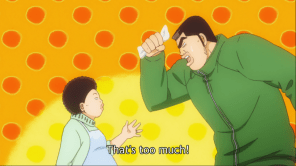 Pregnant women are often dehumanized – we treat them as if they’re made of glass, and the baby growing inside them is more important than they are themselves. Every body responds to pregnancy differently, and some women are just as capable of hard work as they are at any other time in their life. Tough-as-nails Yuriko has already survived one pregnancy without anyone sheltering her, and she’s just as fit as she was back then. She takes pride in her work taking care of the home. No wonder she gets cranky when her son acts like he knows better, even if it is coming from a good place.
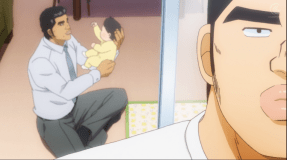 These are small things, but with the division of labor as extreme as it tends to be in Japan, it can be difficult for fathers to be even that involved. Husbands being more involved in caring for the home is linked to greater satisfaction in marriages, and Yutaka and Yuriko have clearly created a healthy and loving home environment for Takeo. Yutaka clearly appreciates his wife for who she is, with her physical and emotional strength. He tells Takeo the story of how he fell in love with her: when they were young, they worked in the same office.
  At a work outing, Yuriko saved a co-worker from a falling pot of hot water, getting hit by the scalding water in her place. When Yutaka went to check on her, she said, “When I see cute girls like her, I just want to protect them, you know?” Yutaka continues, “For the first time in my life, I thought I’d want to ride out the turbulent waves of life with someone like her!” He proposed by saying he wanted to protect her, but “[she’s] so strong, I’ve never gotten around to protecting her.”
 Strength comes in many forms, and the form she refers to here – protectiveness, self-sacrifice, and keeping a brave face in a crisis – are commonly associated with motherhood. Yuriko displays this strength many times in the episode, but it comes at a price. When a fellow pregnant woman she met at the clinic slips on some steps, Yuriko catches her, but her own belly ends up absorbing the impact. She ends up going to the hospital and entering labor early, even giving up her wheelchair to the delivery room so the first-time mother-to-be sharing her room could have it. Along every step of the way she puts on a brave face for her son and his friends, shooting them a thumbs up and a wink even as she’s doubled over in pain. She even tells them flippantly, “I’m going to push one out now!” Hiding her pain and fear is the only way she can take care of Takeo in her current position; otherwise, he’d lose his mind with worry.
  She only drops her brave face in front of her husband, telling him sadly, “I wonder if our baby’s mad at me…” Yutaka reassures her, “You just wanted to protect them both.” Even the strongest feel vulnerable sometimes, and seeing the emotional partnership between the couple is touching.
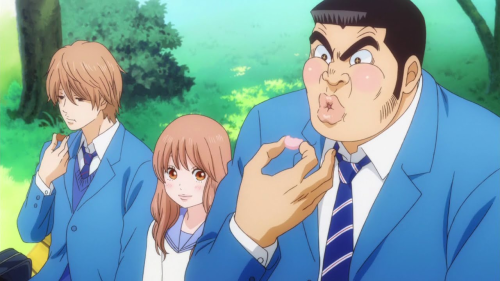
 She also loves Takeo, but also gets frustrated when he treats her like she’s made of glass.The show does has a problem early on where it sets Yamato’s attraction to Takeo up in opposition to every other girl he encounters. Whenever he helps one, they’re terrified of him but thank handsome Suna instead. Even Yamato’s friends judge him by his unconventional appearance. As a result, women other than Yamato come across as superficial and shallow at first, but the situation improves as the show introduces more fully-realized women. Together, they form one of the kindest, sweetest pairs to be found in the romance genre and even their most mundane conversations are enjoyable.
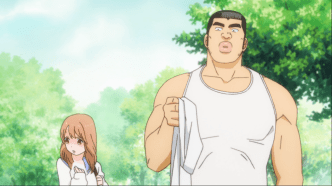 When she starts acting distant, Takeo is puzzled. Shouldn’t she be more at ease? Both Yamato and Takeo have grown up in a culture that values female sexual purity and treats female sexual desire as an aberration, so it’s unsurprising that when Yamato hears that, her response is of guilt and shame. After all, she admits to Ai Sunakawa, Suna’s older sister, her attraction to Takeo is just as much physical as it is mental and emotional. She “has impure thoughts” and wants to do things like “holding hands”. (How brazen!) When she confesses this to Takeo, she actually has tears in her eyes.
 but it also shows that it’s okay to have unconventional taste. Often when female characters are paired with male characters who aren’t conventionally attractive, it’s despite his looks. This sets the expectation that women should be less concerned with physical and thus sexual attraction, reinforcing the implicit belief that women who do care are shallow or sluts. With an everygirl like Yamato, it’s a powerful message.
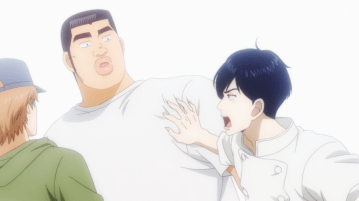 When Yamato, working at the same patisserie, compliments one of his cakes, he falls for her hard – so hard, in fact, that he asks Takeo to break up with her. The way he sees it, he’s better for her in every way. They have common interests, unlike the culinarily-challenged Takeo, plus he’s traditionally attractive, at the top of his field, and older. He even has a car, a major symbol of adulthood and status in teen-oriented manga. When Takeo refuses, Ichinose comes up with a new plan: if he wins an upcoming national pastry contest, he’ll confess his feelings. He never even bothers to entertain the idea that she’ll reject him. Takeo is jealous and protective in part because he agrees that Ichinose is, on paper, a better match for her. After struggling with those feelings, he decides that if she really does end up wanting to leave him for Ichinose, he’ll be the bigger man figuratively as well as literally and support her. Yamato’s happiness is priority one for him and he doesn’t want to keep her trapped in a relationship if there are better prospects. Still, he waits for Yamato to make her own decision rather than breaking up with her like Ichinose requested, because it’s her choice to make. His approach to the situation is far more emotionally intelligent than Ichinose’s, even if he is plagued by doubt. Ichinose, on the other hand, is presumptuous and self-absorbed. He starts using her given name the same day he meets her, a step Takeo hasn’t even managed to take after almost a year of dating. When she talks, he usually makes wild assumptions about what she really means, projecting his own feelings onto her. He puts her on a pedestal, going so far as to declare her his ‘muse’.

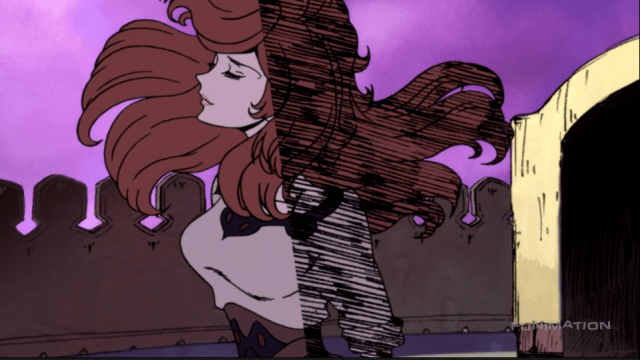


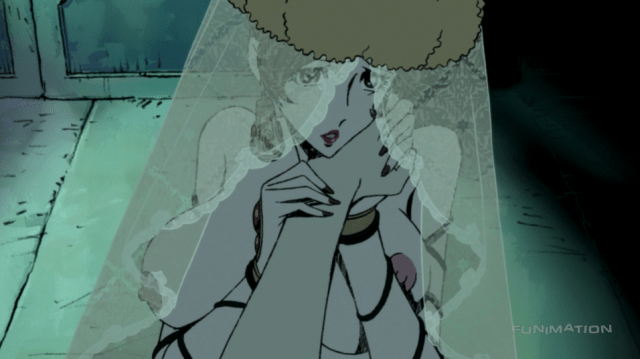
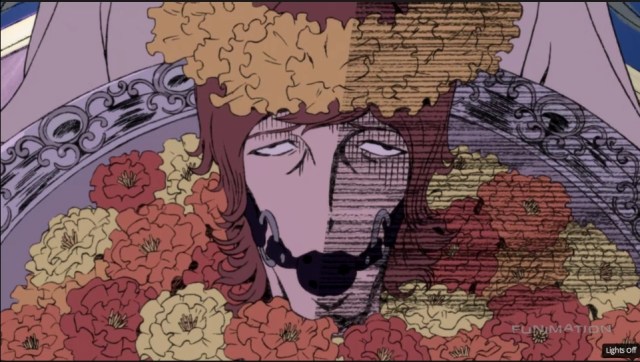


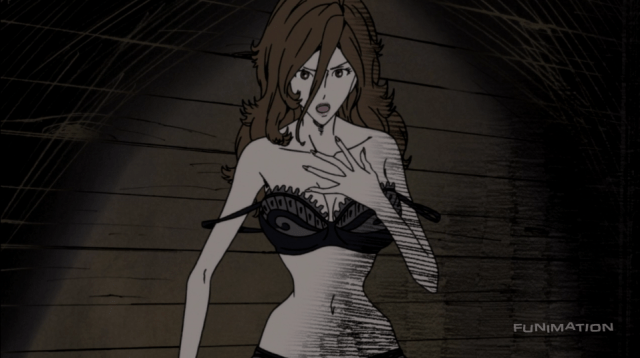


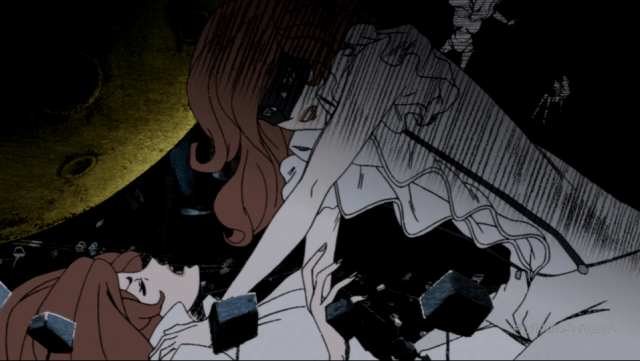
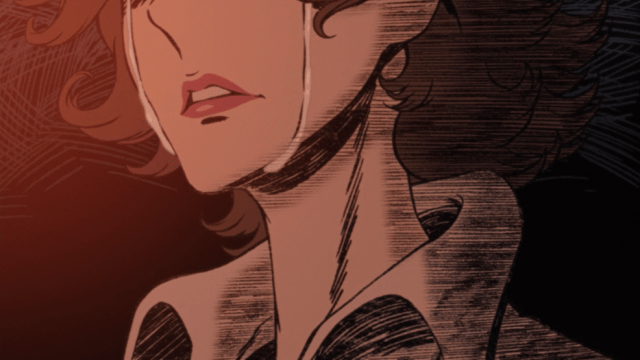
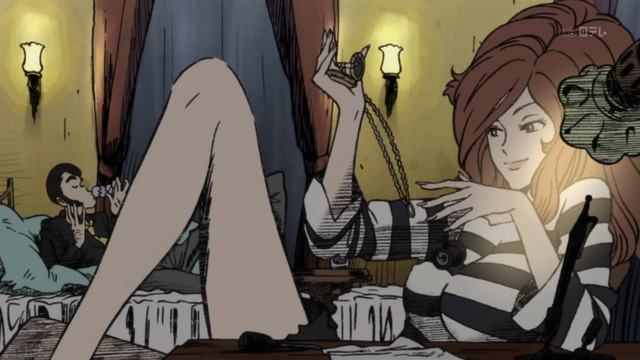

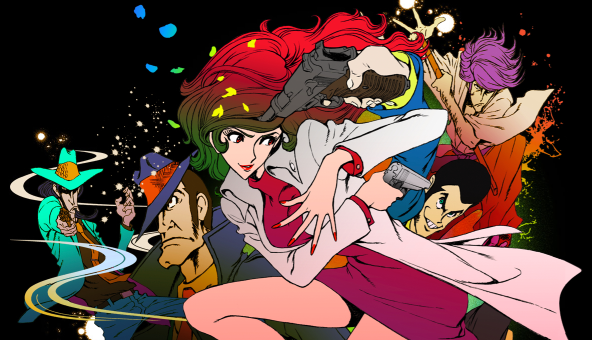

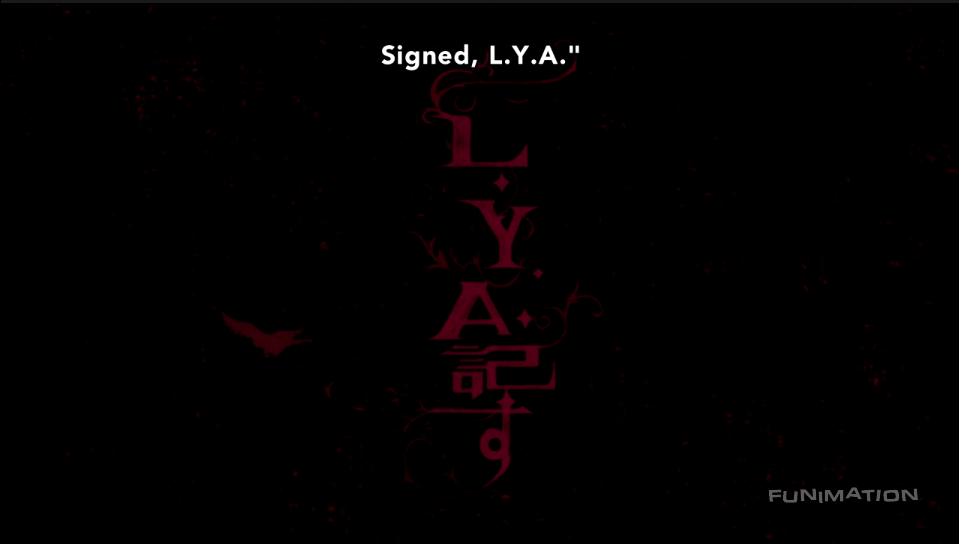


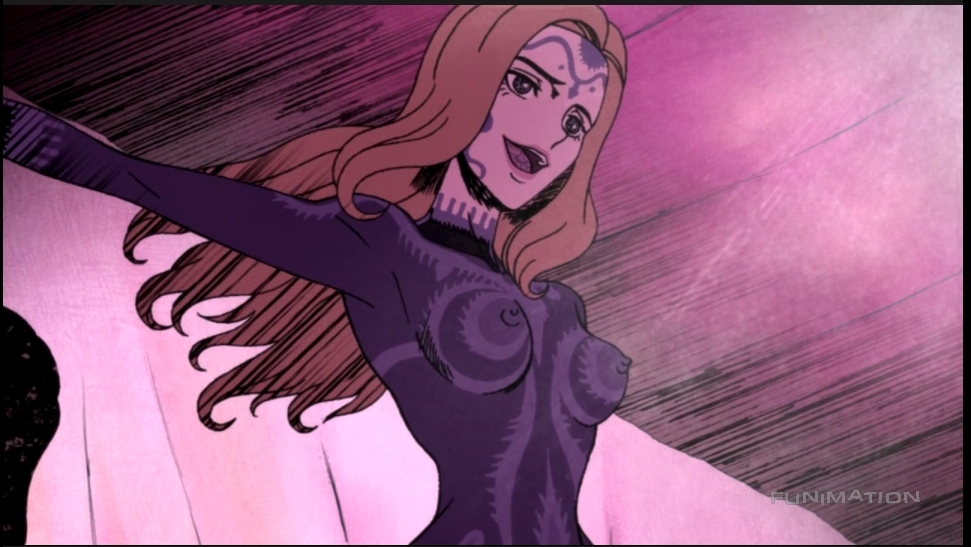
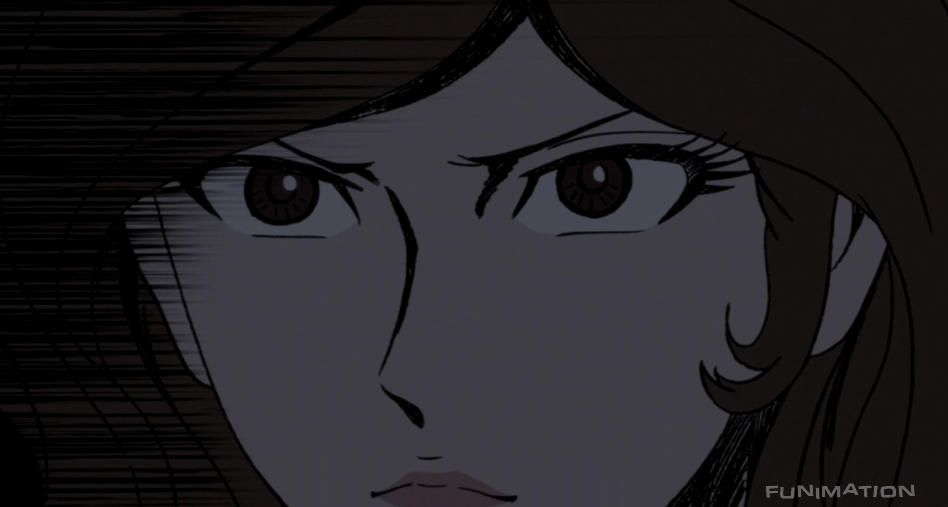


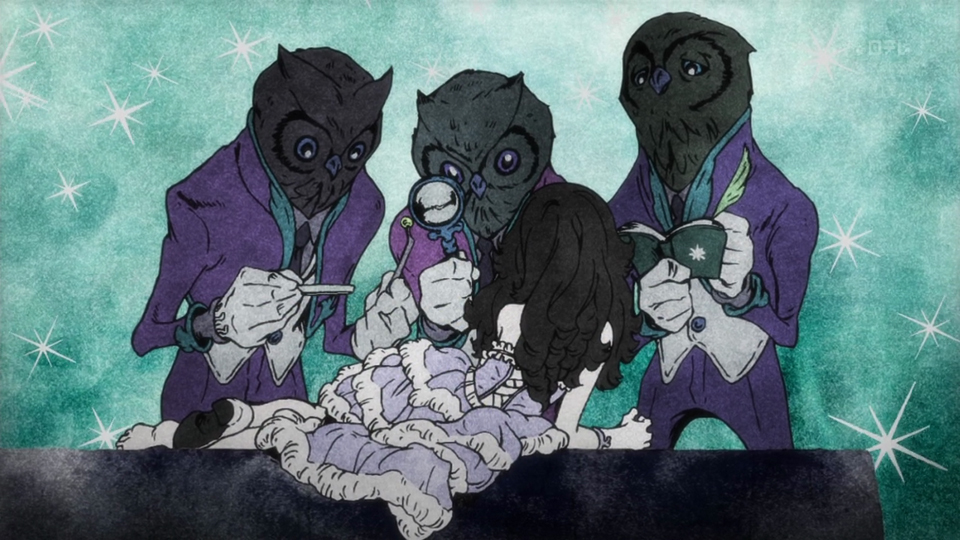
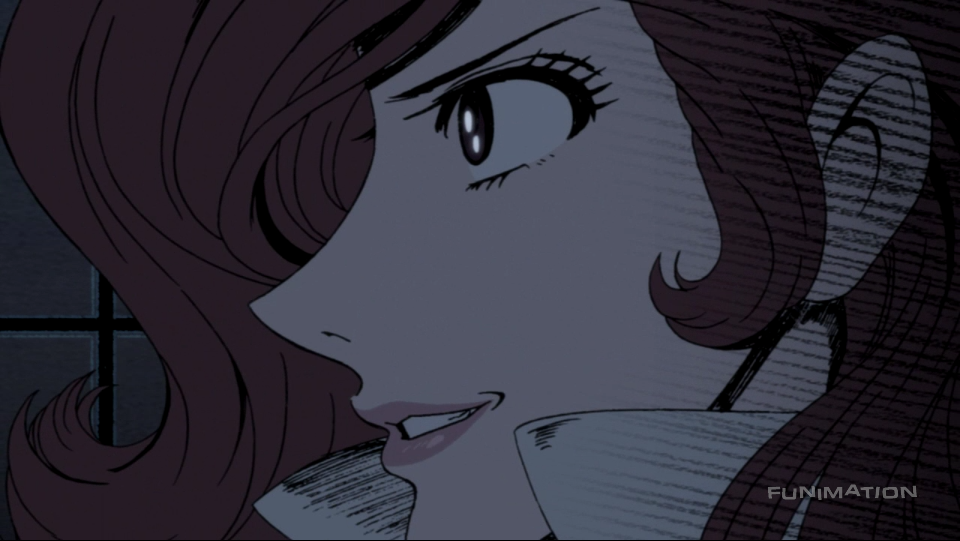
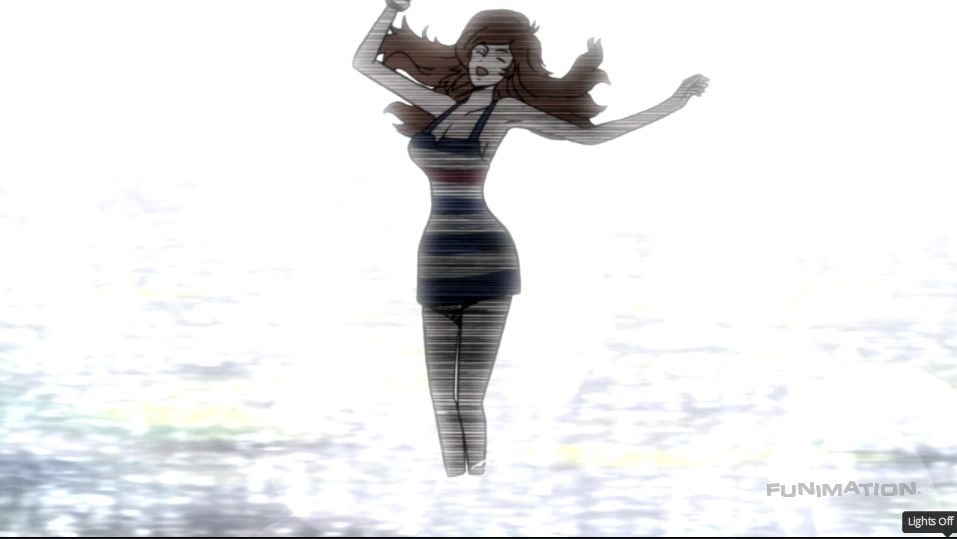
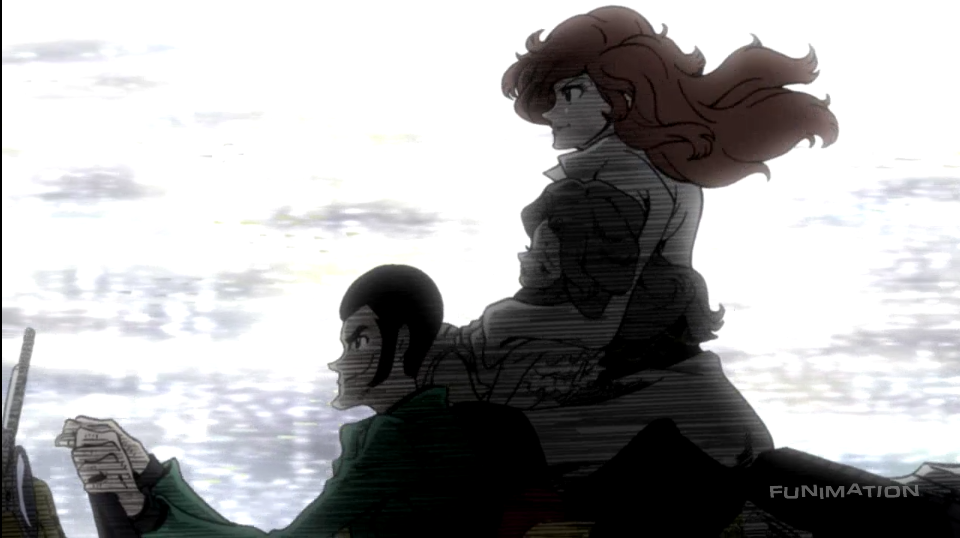
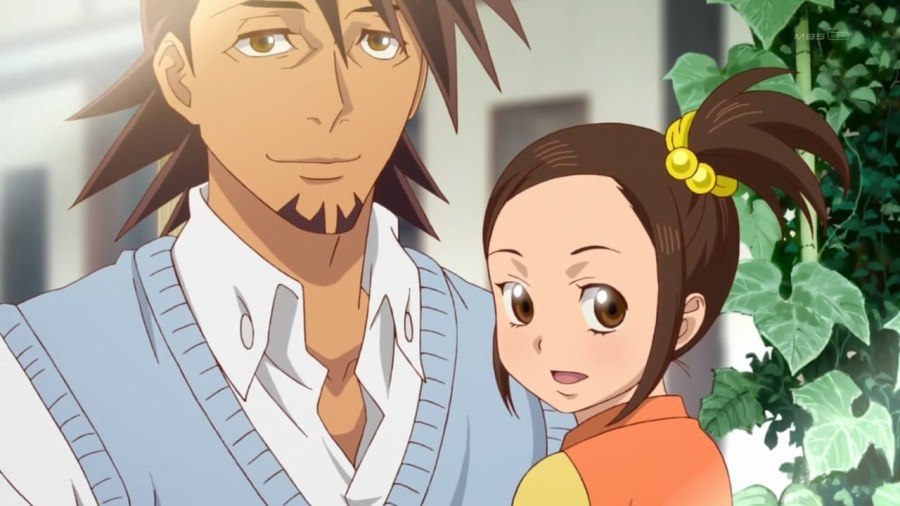


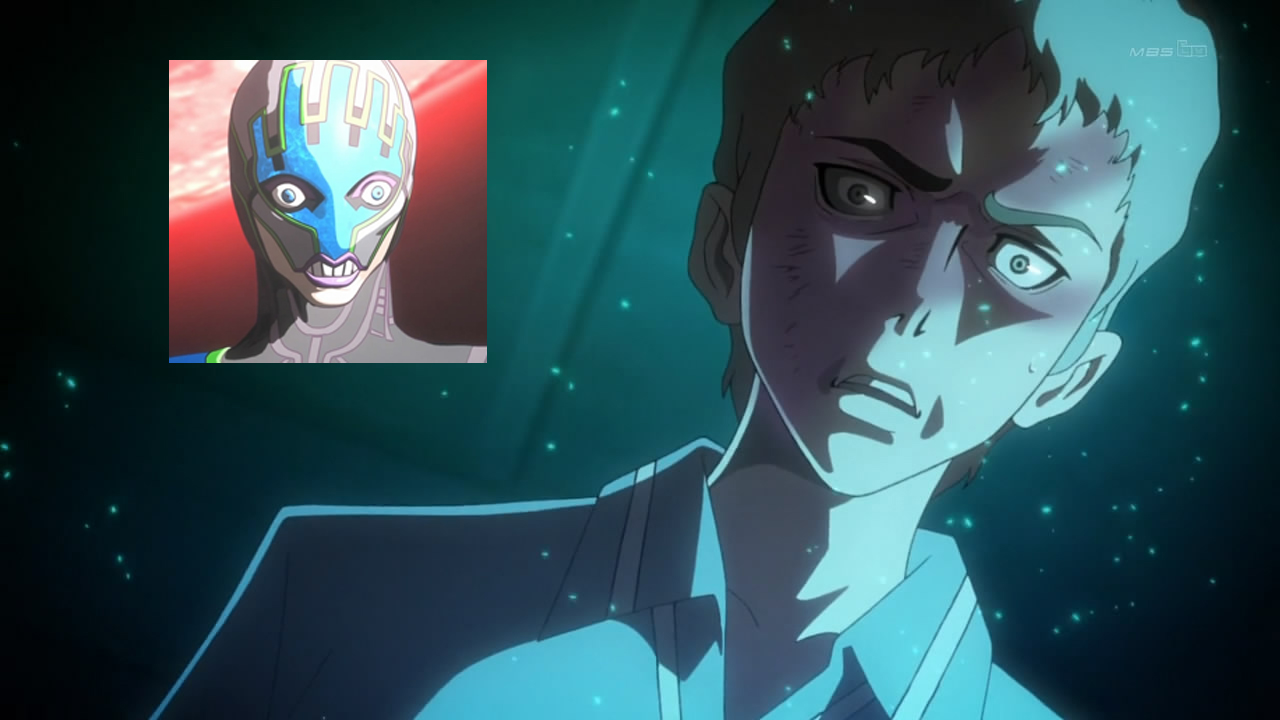

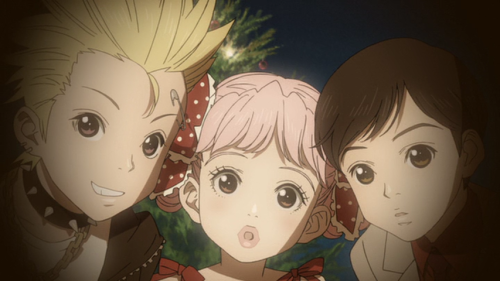
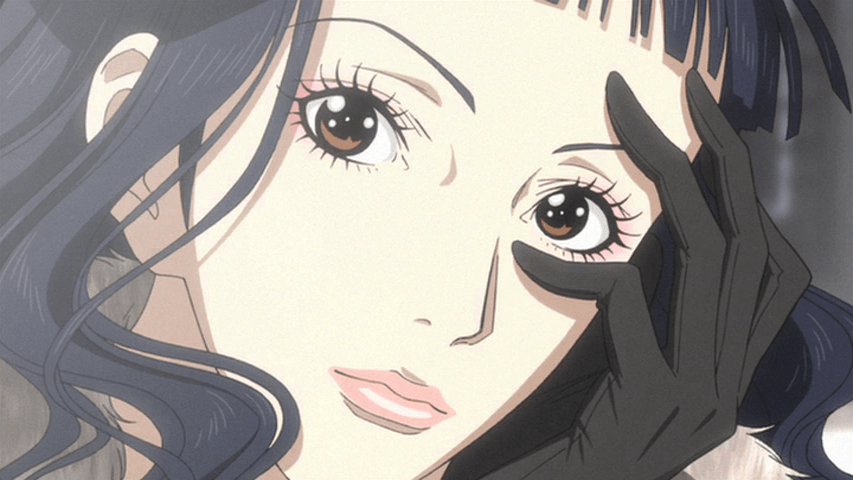





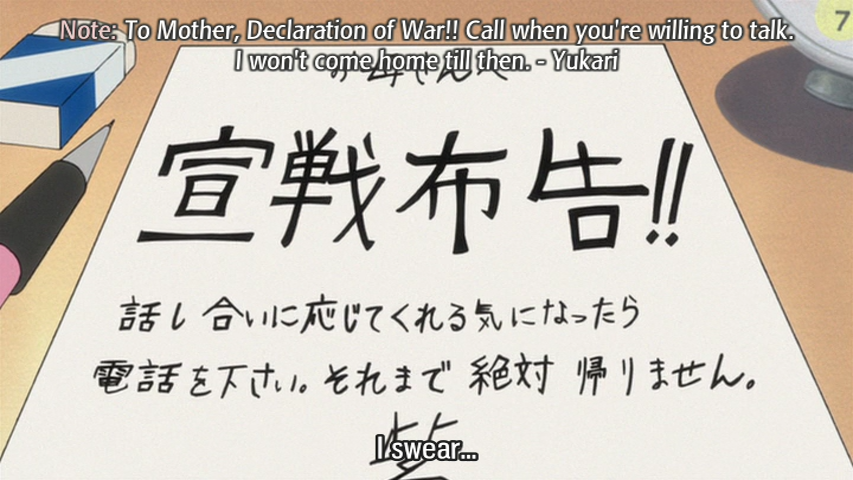

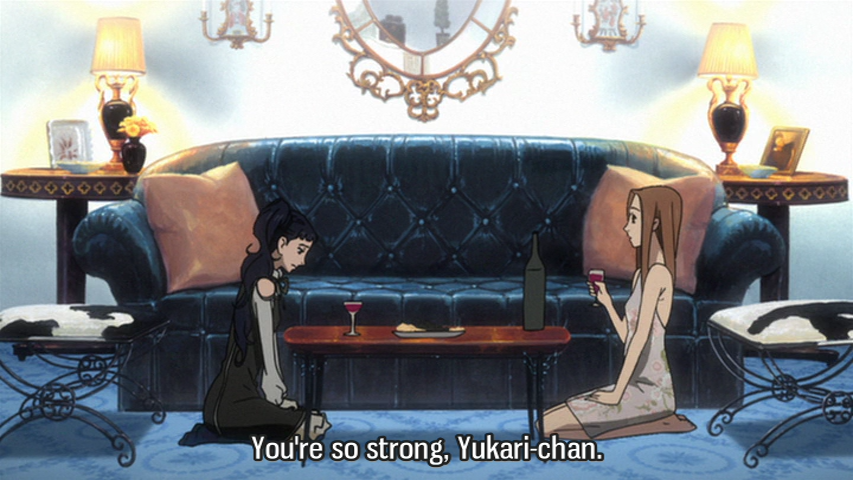


 I Have a Heroine Problem